Why Drying Your Tent properly Matters
Modern camping tents are constructed with coated textiles-- typically nylon or polyester with a polyurethane (PU) or silicone (silnylon) layer on the within. These finishes are what make your outdoor tents waterproof. When material remains damp for also long, mold and mildew take hold, breaking down those coatings from the inside out. Over time, the fabric delaminates, the joints weaken, and that once-reliable sanctuary begins letting water in at the worst feasible moments.
Past mold and mildew, improper drying-- like packing a damp tent into its sack repetitively-- results in anxiety on the textile's DWR (Durable Water Repellent) finish, which is the outer layer that triggers water to bead off. Damages right here means water begins saturating right into the outer shell rather than rolling off, adding weight and minimizing efficiency in the field.
Step-by-Step Overview to Drying Waterproof Tent Fabrics
Step 1: Get Rid Of Excess Water First
Prior to anything else, offer the camping tent an excellent shake to get rid of as much surface water as possible. Wipe down poles and zippers with a dry cloth. The less standing water on the fabric, the faster and safer the drying process will be.
Action 2: Establish It Up in a Shaded, Ventilated Space
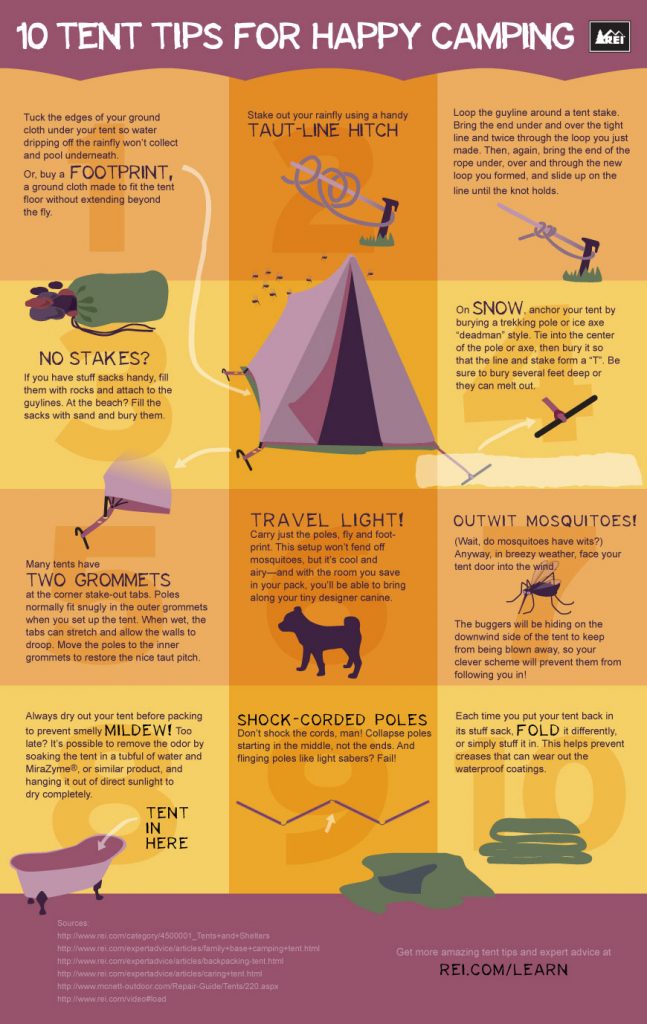
Always dry your tent fully pitched or at least draped loosely over a line or surface-- never bundled. The solitary crucial guideline is to keep it out of direct sunlight. UV rays are among the most damaging forces for waterproof finishes and artificial textiles. Also an hour of intense direct sun direct exposure over several journeys progressively weakens the PU layer and damages camping tent the material strings themselves.
Discover a shaded location with great air flow-- a protected deck, a garage with open doors, or a place under a large tree all work well. If you are inside, a follower pointed at the camping tent quicken the process significantly.
Action 3: Transform It Inside Out When Possible
The internal covering on the tent body-- the one that actually does the waterproofing job-- requires air blood circulation also. If you can securely transform the rainfly completely without worrying the seams, do it. This guarantees the coated side dries out extensively, which is where moisture-related failure most generally starts.
Step 4: Do Not Use Warmth Resources
This is just one of the most typical mistakes individuals make. Placing an outdoor tents in a clothing dryer, leaving it near a radiator, or drying it under a warmth light may seem effective, however high warmth is deeply destructive to waterproof materials. It triggers the PU finishing to bubble, split, and peel off. It thaws silicone coverings. It weakens joint tape. Also a warm dryer setting can cause irreversible damage in a single cycle.
Area temperature air drying out is always the correct selection. If you remain in a humid atmosphere, run a dehumidifier in the space to help pull wetness from the fabric.
Step 5: Focus On Seams and Corners
Seams and corners preserve moisture longer than the main fabric panels. After the outdoor tents appears dry to the touch, really feel along every seam line and check the edges of the rainfly and footprint. These areas are usually still damp and are exactly where mold and mildew starts. Provide added time prior to packing.
Step 6: Store It Loosely, Not Compressed
As soon as your tent is entirely dry-- not just primarily dry-- store it freely rather than pressed snugly in its stuff sack. Several producers advise storing an outdoor tents in a big mesh or cotton bag instead of the initial compression sack for lasting storage. Constant compression worries the coverings along fold lines, causing them to crack with time.
A Couple Of Extra Tips to Extend Outdoor Tents Life
If you discover water is no longer beading on the external rainfly, it may be time to reapply a DWR treatment. Products like Nikwax Outdoor Tents and Equipment Solar Clean complied with by TX.Direct Spray-On are commonly used and risk-free for waterproof textiles.
Also, make a behavior of cleaning down any type of dirt or tree sap before drying. Impurities left on the material draw in dampness and degrade layers much faster.
All-time Low Line
Your camping tent is a technological garment, not a tarpaulin. It deserves the same care you would certainly provide a quality rain coat. Taking twenty minutes to dry it appropriately after each trip adds years to its life expectancy and suggests it will certainly perform reliably when you need it most. Shade, air flow, and perseverance are your 3 best tools-- and they cost nothing.